

Description
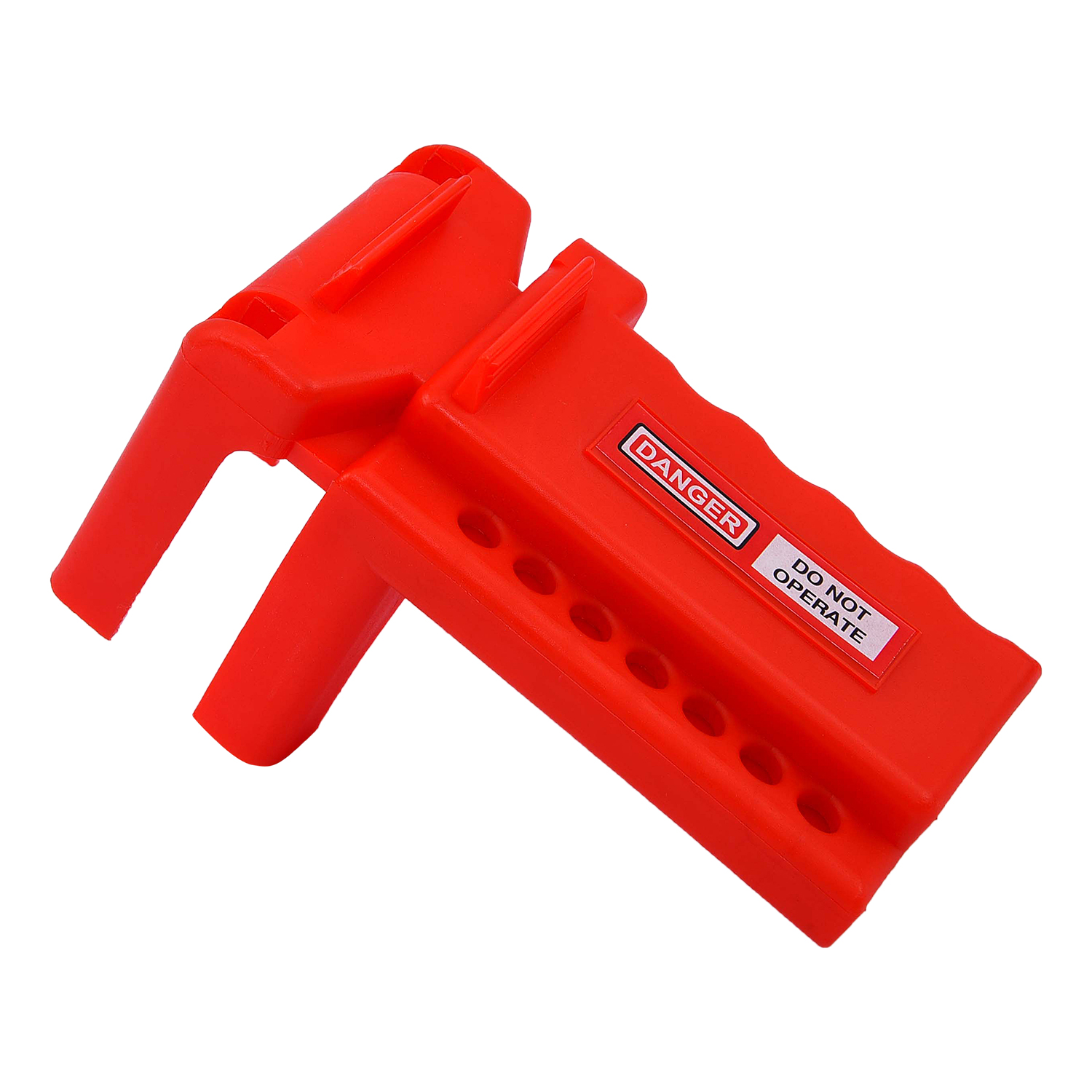
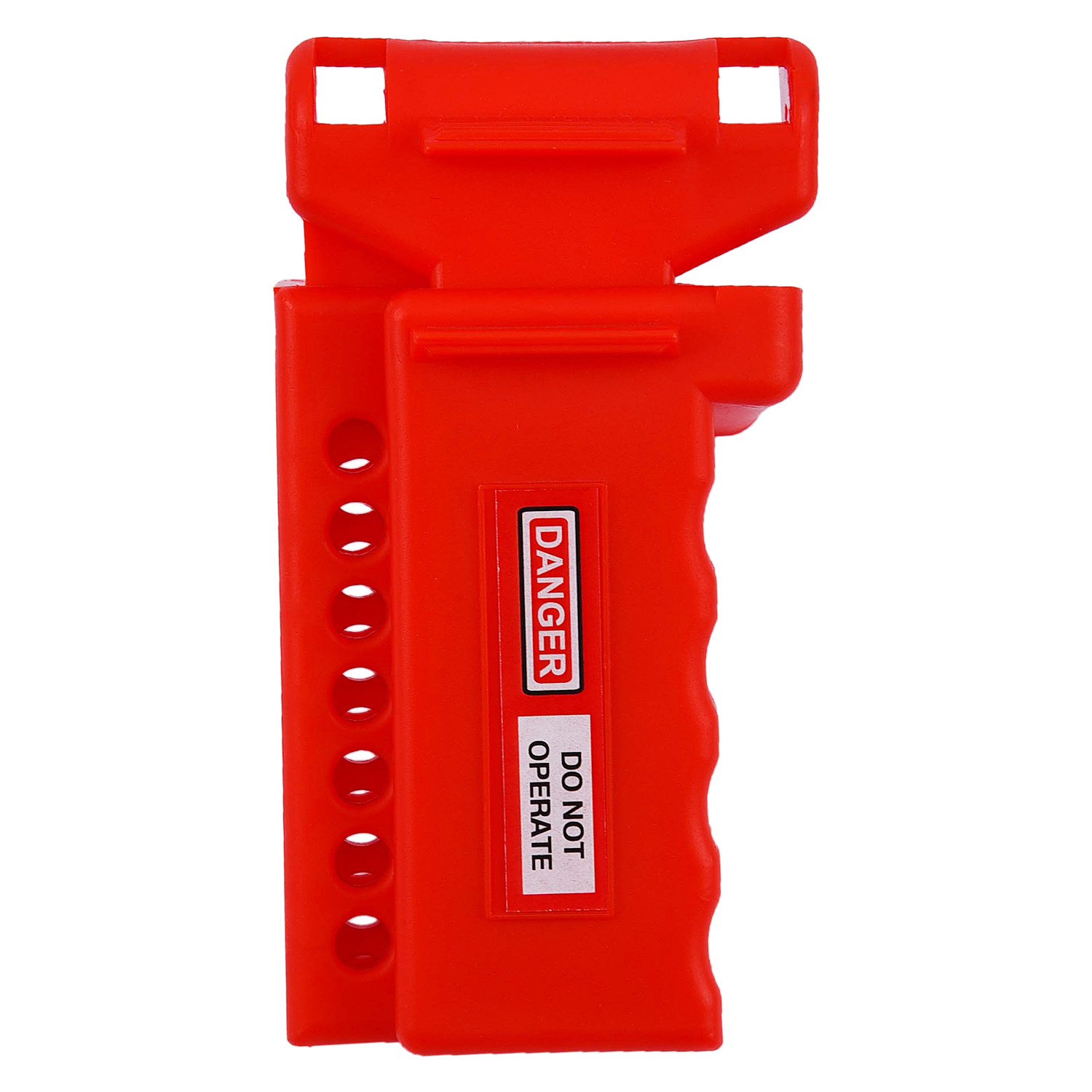
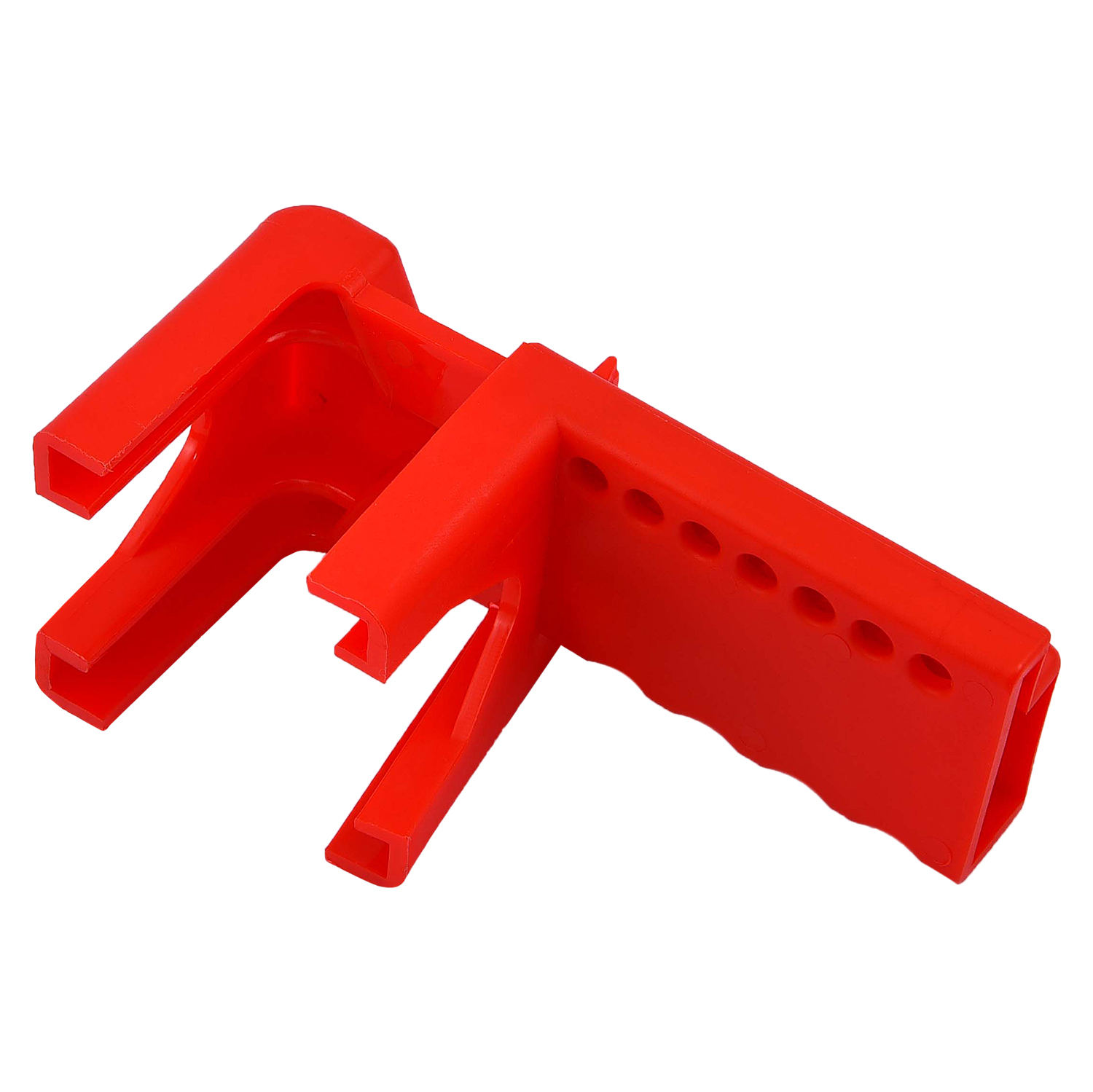
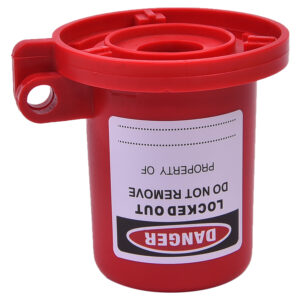
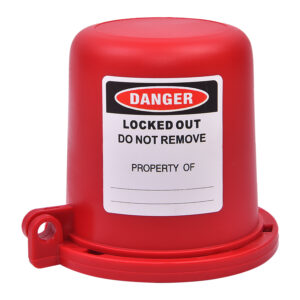
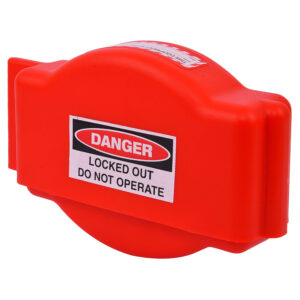
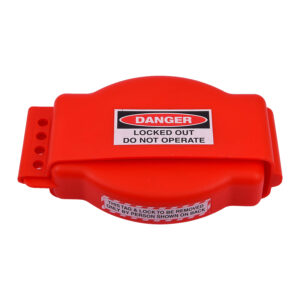
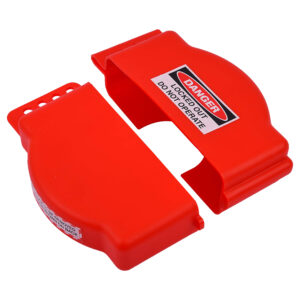
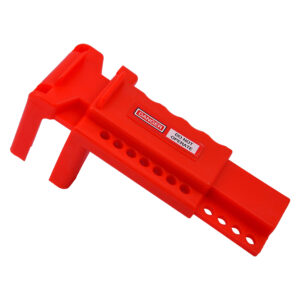
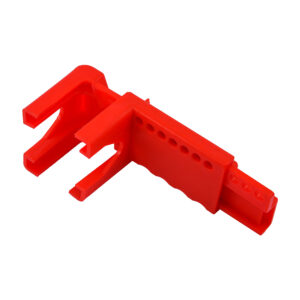
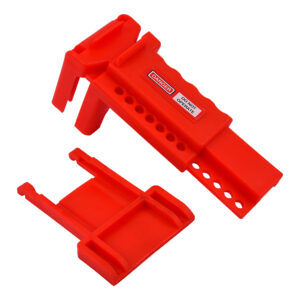
This Lotomaster Ball Valve Lockout Device is designed to prevent the accidental operation of ball valves during maintenance, servicing and repair activities. It secures the valve handle in the OFF position, helping prevent the unintended release or flow of hazardous substances and energy.
An essential component of an effective Lockout Tagout (LOTO) programme, this industrial ball valve lockout device helps protect maintenance personnel working on pipelines, machinery and process equipment.
Key Features and Benefits:
- Prevents Accidental Valve Operation: Secures compatible ball valve handles in the OFF position during maintenance.
- Enhanced Workplace Safety: Helps prevent unintended operation and supports hazardous energy isolation procedures.
- Padlock Compatible: Can be secured using an appropriate safety lockout padlock.
- Industrial Applications: Suitable for use in manufacturing, chemical processing, pharmaceutical, food processing, marine and other industrial facilities, subject to product specifications.
- Easy Application: Designed to provide a practical solution for securing compatible ball valve handles.
- LOTO Compliance Support: Supports workplace Lockout Tagout procedures and hazardous energy control programmes.
- Size range: Fits ball valves with pipe/valve diameters from 3/8″ to 1 1/4″ (approx. 1 cm to 3.2 cm)
Applications of Ball Valve Lockout
Lotomaster Ball Valve Lockout devices can be used in industrial applications involving:
- Manufacturing and production machinery.
- Chemical and petrochemical processing.
- Oil and gas facilities.
- Water treatment plants.
- Pharmaceutical manufacturing.
- Food and beverage processing.
- Marine and offshore installations.
- Industrial pipeline maintenance.
Why Use a Ball Valve Lockout?
A valve left unsecured during maintenance can expose workers to serious hazards, including unexpected fluid release, chemical exposure and accidental equipment operation.
Using a suitable ball valve lockout device together with a personal safety padlock and warning tag helps establish a controlled energy isolation process.
How to Use a Ball Valve Lockout: Step-by-Step Instructions
- Step 1: Identify the Ball Valve: Locate the correct ball valve that needs to be isolated. Identify the energy source, connected equipment and potential hazards associated with the pipeline.
- Step 2: Shut Off the Valve: Turn the ball valve handle to the fully closed (OFF) position to stop the flow of the medium. Follow the site’s approved isolation procedure.
- Step 3: Position the Lockout Device: Select a compatible ball valve lockout device. Position it over the valve handle according to the manufacturer’s instructions.
- Step 4: Secure the Lockout Device: Ensure the device properly encloses or blocks the valve handle, preventing it from being moved back to the ON position.
- Step 5: Apply a Safety Padlock: Insert an authorised employee’s personal Lockout Tagout padlock through the designated locking point and secure it. Each authorised employee working on the equipment must apply their own personal lock.
- Step 6: Attach a Warning Tag: Attach a Lockout Tagout warning tag displaying the employee’s name, department and relevant warning information, such as “DANGER – DO NOT OPERATE”.
- Step 7: Verify Energy Isolation: Check that the valve cannot be operated and verify that hazardous energy has been isolated. Release or control any residual pressure or stored energy using the approved site procedure.
- Step 8: Begin Maintenance Work: Only begin maintenance or servicing after the isolation has been verified and the equipment has been confirmed safe to work on.
- Step 9: Remove the Lockout Device Safely: After completing the work, ensure all employees are clear, tools are removed and guards are restored. Each employee must remove their own personal lock according to the site’s LOTO procedure before the valve is returned to service.
Important Safety Reminder
Closing a ball valve does not automatically guarantee complete energy isolation. Verify the isolation, depressurise the pipeline where required and account for trapped or residual hazardous energy before starting maintenance.
This product is OSHA compliant and is available in ready stock for express delivery to France, Germany, Spain, Italy and across Europe from our warehouse in Zagreb, Croatia.
Reviews
There are no reviews yet.